Tree Risk Assessment
& Tree Health

25 Years of tree care
With 25 years serving Queensland and its residents, we are experts of all local flora and fauna.

Quick response
Our team of professionals is on hand to answer any questions and can be on site within a few days.

Level 5 Arborists
At Treesafe Australia, we are industry leaders in arboriculture. Fully certified and insured for your peace of mind.
Sunshine Coast
Tree Risk Assessors
At Treesafe Australia, we help you keep your trees safe, healthy, and compliant. Our Level 5 consulting arborists use internationally recognised methods like QTRA and TRAQ to identify hazards, assess risks, and recommend the right solutions. From pruning and treatments to removal of dangerous trees, we provide practical strategies that protect people, property, and your peace of mind.
With interactive mapping and detailed digital reports, you’ll always have clear, professional documentation to meet council and compliance requirements. Regular tree risk assessments not only reduce liability and costs but also ensure your tree population remains strong and sustainable for the future.
What our clients say

Rated 4.9 out of 5 stars based on 118 customer reviews.


Tree Risk Assessments
Tree risk assessments play an important role in identifying potential hazards and maintaining the health and longevity of trees. It’s a Duty of care under the Work Health and Safety Act 2011 to ensure the safety of employees, contractors and public, so understanding and managing the risks associated with trees is a compliance factor that only a suitably qualified arborist, such as Treesafe Australia’s arborists, can assist with. Within this page, we’ll cover arboriculture methodologies and the importance of such evaluations. We do this within the framework of Quantified Tree Risk Assessment (QTRA), Tree Risk Assessment Qualification (TRAQ), Australian standards (4373,4970), International Society of Arboriculture (ISA) and industry best practice.
Tree Risk Assessment Explained
ree risk assessment is a systematic process that our level 5 arborists use to evaluate the risk associated with a potential tree failure. It evaluates the overall health of a tree, and if defects are observed, then it involves assessing the likelihood of failure of a tree or tree part, the likelihood of impact and consequences of the impact. Level 5 Arborists, often with a Tree Risk Assessment Qualification (TRAQ) from the International Society of Arboriculture (ISA), use various risk assessment methods to determine the acceptable level of risk and implement strategies to mitigate potential dangers. Having a management plan is essential for compliance to mitigate risk.


Importance of Risk
Assessments for Trees
The importance of conducting risk assessments for trees cannot be overstated, especially in conjunction with an organisation’s duty of care requirements. These assessments help in reducing the risk of harm from tree failure, safeguarding people and property. By understanding tree hazards and the probability of failure, tree owners can make informed decisions to manage and maintain tree safety. Risk assessments also contribute to effective tree risk management, ensuring that the tree population remains healthy and sustainable over time.
Insights You’ll Get
A tree risk assessment includes visual tree assessment, input from qualified arborists, and the application of risk assessment systems like TRAQ/QTRA. The process involves evaluating the tree’s structure, vitality, and any signs of potential tree / tree parts failure. Your assessor will analyse these factors to produce a report that guides tree safety management and helps in making decisions regarding risk management.
Additionally, the insights from the assessment are documented in a comprehensive and interactive tree survey report, essential for ongoing monitoring and maintenance. This interactive digital report provides a historical document of all trees identified (which are provided on an interactive map) as proof that you are taking the steps necessary to manage the risk assets on your property.


The Role of Arborists
in Tree Risk
Qualifications of an Arborist
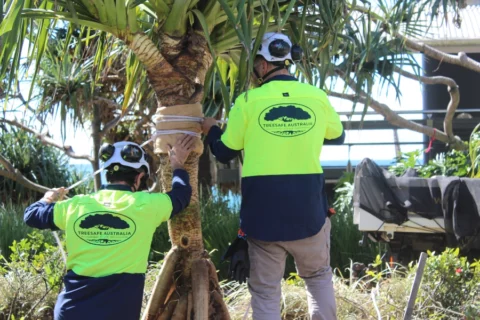
Our professional arborists play a pivotal role in tree risk assessments, and their credentials are fundamental to ensuring accurate evaluations. An arborist with Level 5 qualifications is equipped with the expertise to assess tree health, structure, and vitality. Our Treesafe team is trained to identify potential tree hazards and provide insights into the probability of failure, guiding effective tree risk management strategies.
How Our Arborists
Conduct Tree Assessments
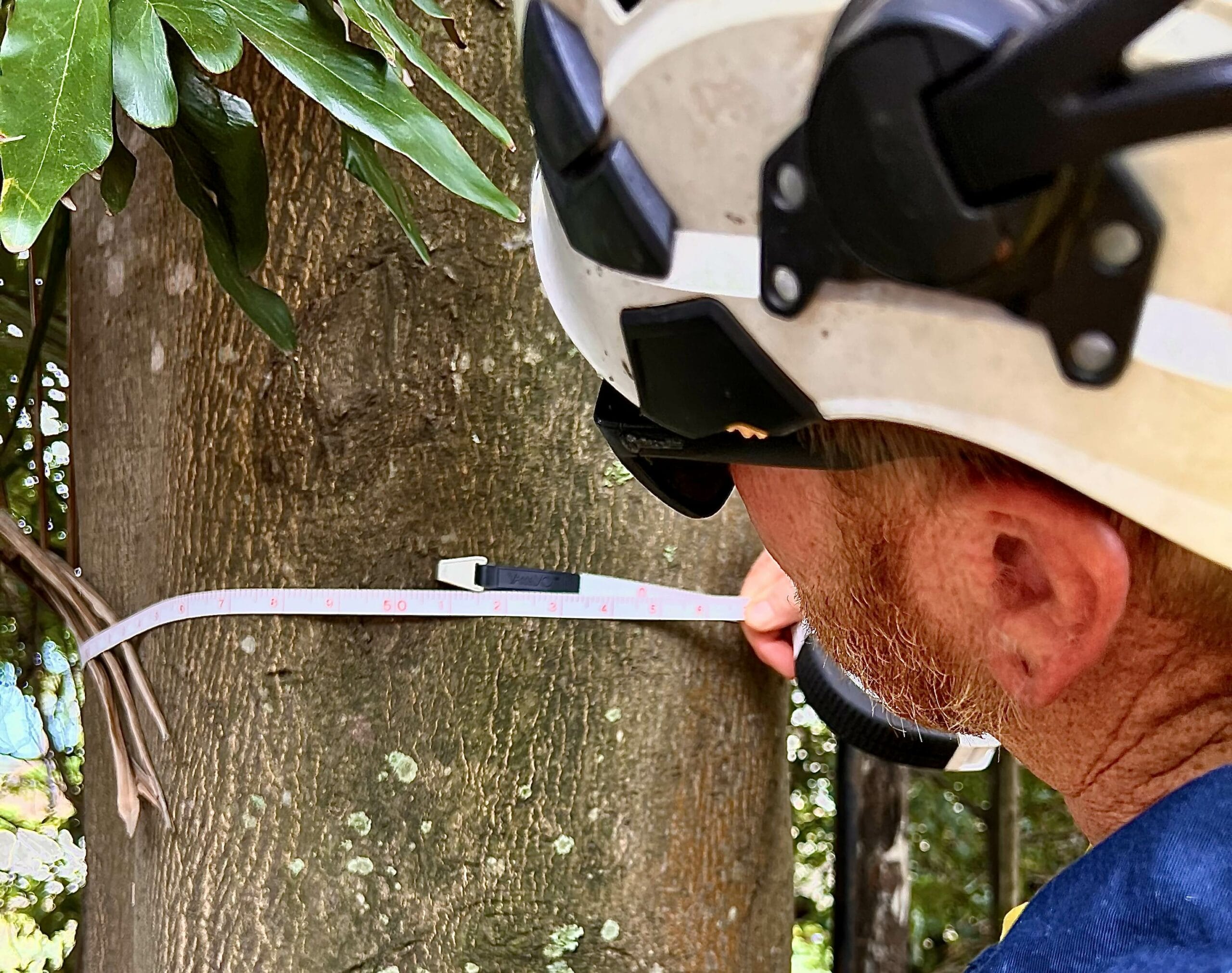
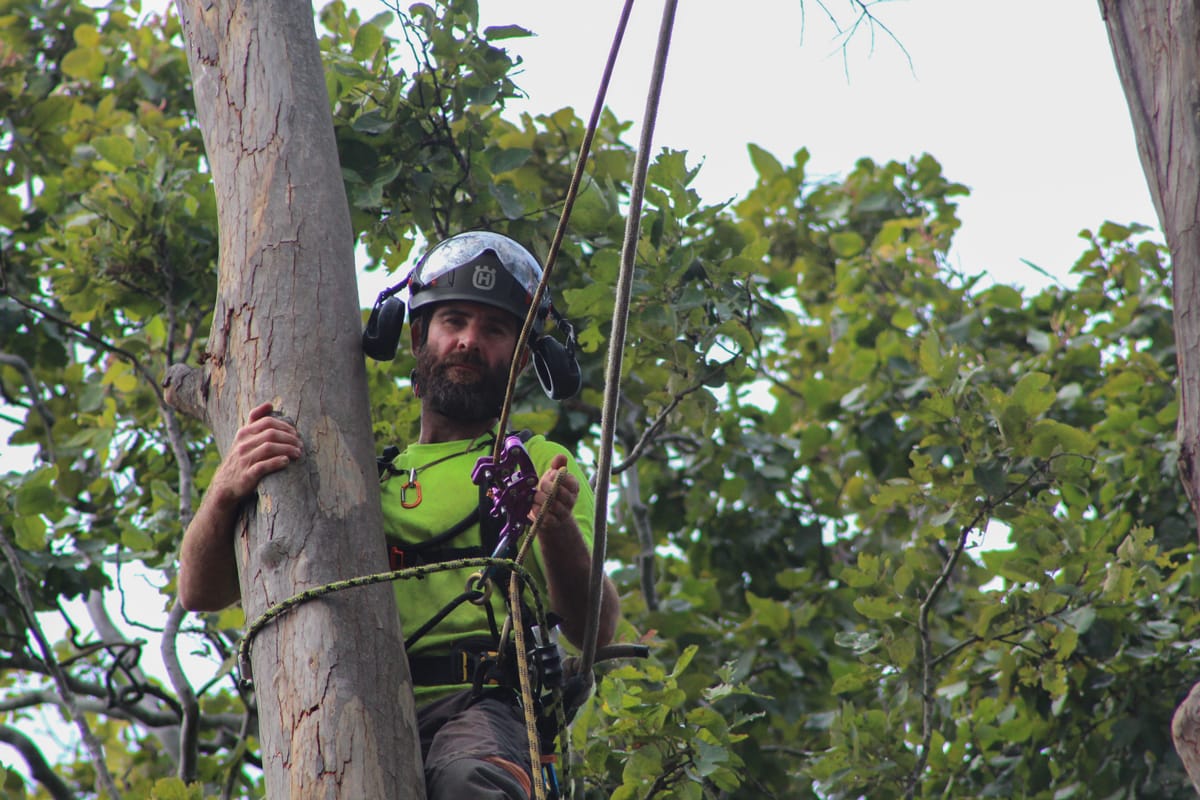
Our professional arborists conduct tree assessments through a systematic process that includes visual tree assessments and the application of risk assessment methods, such as Tree Risk Assessment Qualification (TRAQ) or Quantified Tree Risk Assessment (QTRA). This involves evaluating the tree or tree part branch for signs of damage, decline or loss of structural integrity, analysing the risk of harm from tree failure, and determining an acceptable level of risk.
We also use specialised plotting software to manage and map your assets on an ongoing basis. You’ll have visual mapping and photo reporting, allowing convenient and detailed documentation of each tree and its surrounding environment. Assessments are documented in detailed tree survey reports, which serve as essential tools for ongoing tree safety management and compliance.
Hiring Treesafe As
A Consulting Arborist
Hiring Treesafe Australia as consulting arborists offers numerous benefits, including planning, budgeting and guidance on tree risk assessment systems, not to mention risk management strategies. We take the hassle out of compliance management, giving you peace of mind and all the documentation that you’ll need to meet your risk requirements.
Our arborists provide valuable input that helps you make informed decisions, reducing the risk associated with tree failure and how to maintain tree health. Diseased and dangerous trees can trigger a chain reaction within your portfolio of assets, so regular assessments can save you significant costs and legal issues in the long run. Our expertise ensures that the tree population remains healthy and that risks of harm from tree failure are minimised, thus safeguarding both property and public safety.
Quantified Tree Risk Assessment (QTRA)
Introduction to QTRA
Quantified Tree Risk Assessment (QTRA) is a prominent tree risk assessment method that quantifies the risk of harm from tree failure. QTRA uses a probabilistic approach to assess the risk associated with individual trees, providing a structured framework for evaluating tree hazards. This method is widely adopted by professional arborists for its accuracy and reliability in tree risk management.
QTRA/TRAQ Methodology Explained
The QTRA and TRAQ methodology involves a detailed analysis of various factors, including the probability of failure, the potential target, and the risk of harm. Our arborists use this system to produce an output that quantifies the level of risk, allowing your tree managers to implement the risk mitigation strategies we suggest. This approach ensures a balanced assessment of tree safety and mitigating actions required for the reduction of harm from tree failure, contributing to effective risk management.

Identifying Tree Hazards
and Risks
Common Tree Hazards
Common tree hazards include:
- Structural weaknesses
- Decay
- Cracks or splits
- Disease
- Pest Infection
- Root damage and rot
- Over-extending limbs
Structural weaknesses, such as cracks or splits in branches, can lead to tree branch failure. Decay in the trunk or root system can lead to total tree failure. Visual assessments conducted by our arborists help to identify these hazards early, allowing for timely intervention to prevent harm from tree failure and ensure healthy tree management.
Probability of Failure
Assessing the probability of failure involves evaluating the likelihood that a tree or branch will fail (fall) and cause harm. Our arborists use risk assessment methods to analyse factors like tree health, structural integrity, and surrounding environmental conditions. All of which play a vital role. This systematic approach helps us determine the acceptable level of risk and guides you on appropriate risk management strategies.
Managing Tree Population Risks
Managing tree population risks requires a comprehensive understanding of individual tree conditions and potential hazards. We do this in conjunction with mapping your assets in software and monitoring each individual tree over time. Our arborists provide essential qualified judgement inputs within this process, and their assessments help tree managers implement effective risk management practices, reducing your risk of harm and ensuring the longevity of the tree population.
With the right maintenance strategy, at any time, you’ll be able to access the condition of individual trees, tree risks and implementation methods. Our team will assist in your compliance.

The Implications of
Tree Failure
Preventive Measures and Solutions
Preventive measures and solutions focus on reducing the probability of failure and managing tree risks effectively. Arborists employ risk assessment systems and methods, such as visual tree assessments and QTRA, to develop targeted strategies.
These include:
- Pruning / trimming / surgery
- Cabling and bracing
- Removal of branches, trimmings, stumps or trees.
Failure Mechanisms
Understanding tree failure mechanisms is important in predicting and preventing dangerous outcomes. Factors such as ‘sudden branch drop’, root rot, and pest infestations can compromise a tree’s stability. Our arborists assess these mechanisms through detailed inspections, quantifying the risk of harm and guiding interventions to maintain tree safety and reduce risks associated with tree failure.
Consequences of
Tree Failure
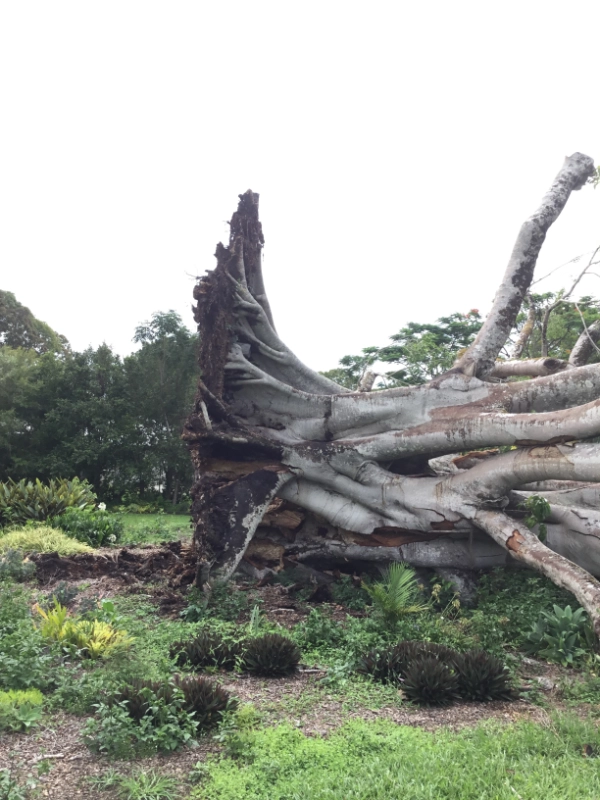
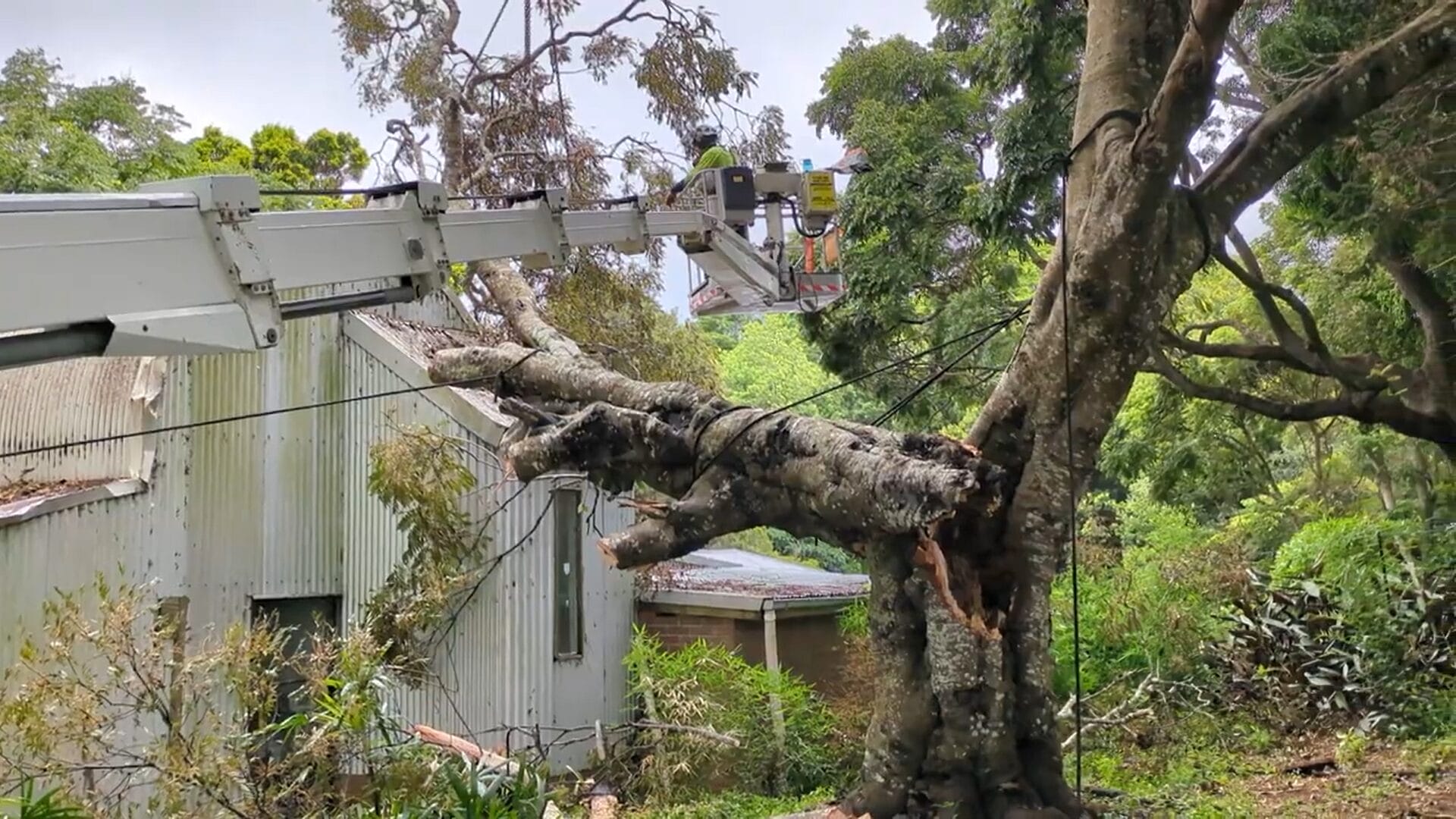
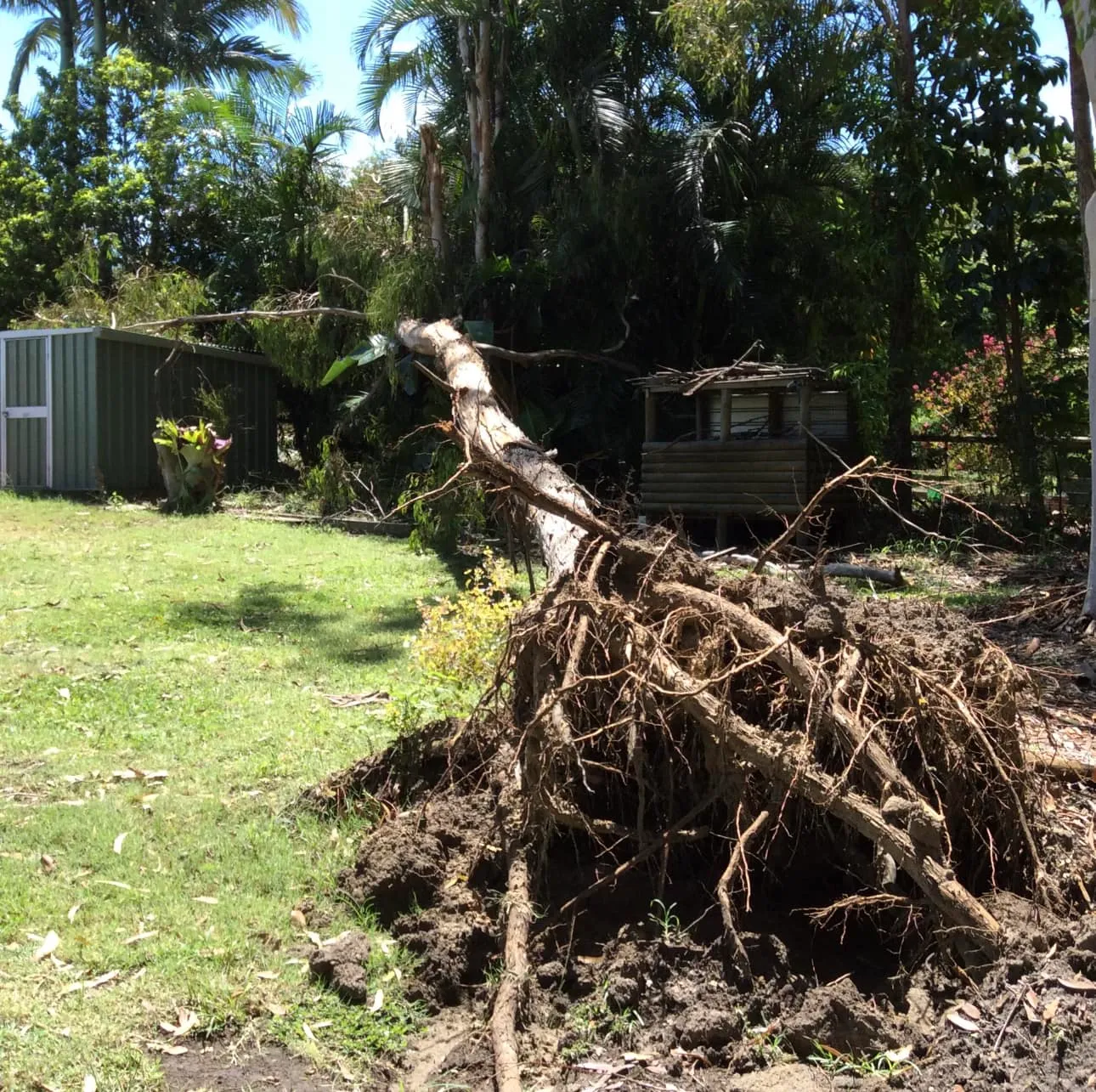
The consequences of tree failure can be severe, leading to costly property damage, legal consequences, personal injury, or even fatalities. Risk assessments help mitigate these outcomes by identifying at-risk trees and recommending necessary actions. By understanding the risk of harm from tree failure through our arborist reports, you’ll be contributing to safeguarding both people and assets from potential dangers.
- Hazardous trees
- Disease treatments
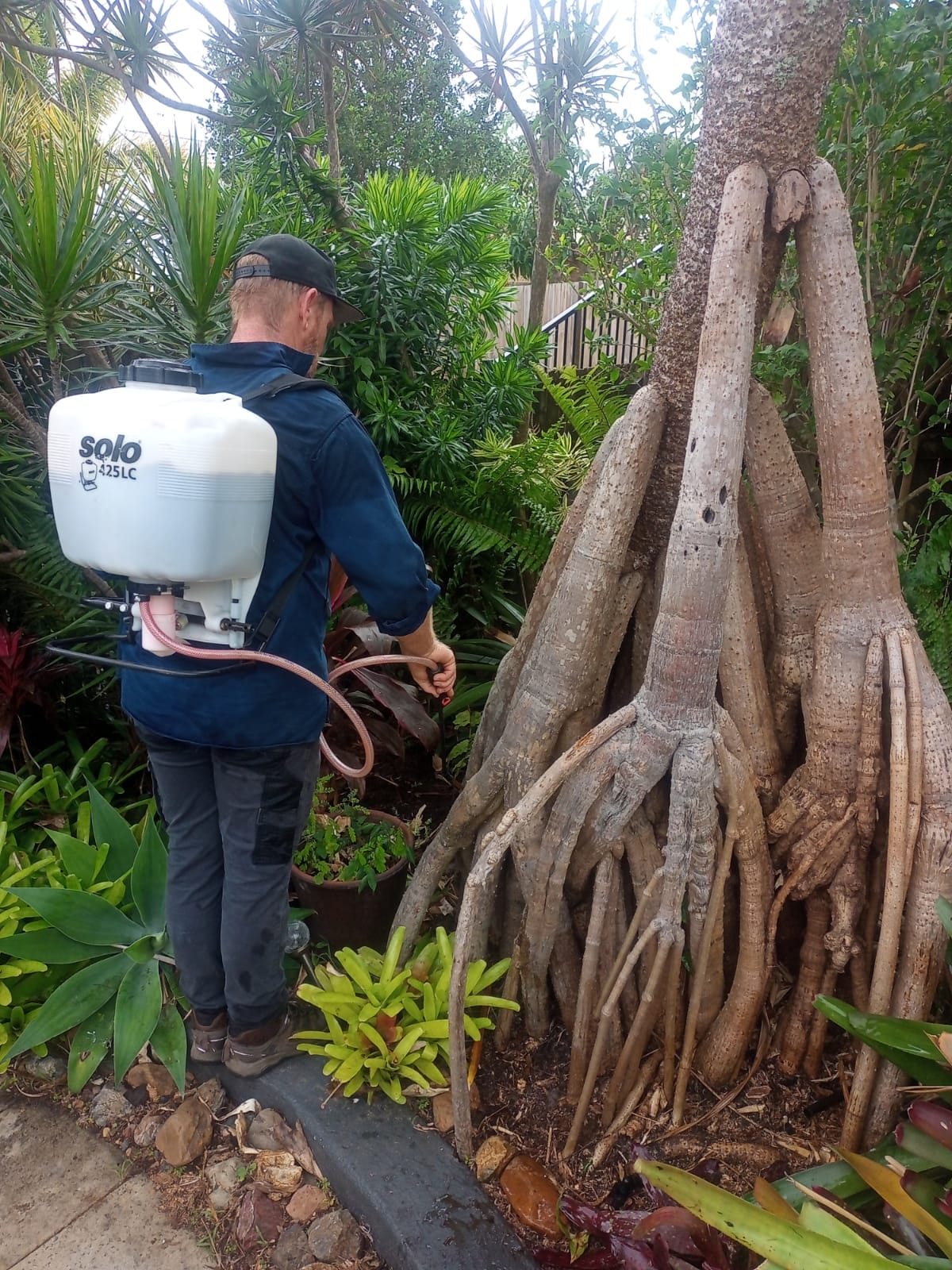
- Soil health treatments
All of which ensures that your tree population remains healthy, and risks are minimised. For more information on our commercial tree assessments, please contact us, and we’ll arrange a complimentary on-site discussion.